Build Your Dream Ride with Mia
Modification Performance Impact: How Mods Affect Your Car

Ed Little
•
Fabricator and Car Enrhusiast @ MOTORMIAIntroduction to car modifications
The modification journey starts innocently enough but quickly becomes an obsession. One mod leads to another as you discover how each change affects your car’s behavior.
Understanding these impacts before you start wrenching helps you build smart rather than throwing parts at problems.
That’s where the idea for Motormia started. The app was built using AI to analyze thousands of builds similar to yours, showing real performance gains from specific modifications so you know exactly what to expect before spending a dime.
What qualifies as a performance mod?
A performance mod is any vehicle modification that increases horsepower, torque, throttle response, or handling. Common performance mods include cold air intakes, turbochargers, ECU tuning, exhaust upgrades, and suspension changes. These modifications aim to enhance engine efficiency, speed, or overall driving dynamics.
The line between performance and aesthetic mods blurs sometimes. Those lightweight wheels might look sick, but they also reduce unsprung weight for better handling. That front splitter adds visual aggression while generating actual downforce. Even a short-throw shifter that feels better also helps you shift faster, technically making it a performance upgrade.
Categories: Power, handling, efficiency, aesthetics
Power modifications chase horsepower and torque through improved airflow, fueling, and engine management. Think intakes, exhausts, turbo upgrades, and ECU tunes. These mods make your car accelerate harder and reach higher speeds, assuming you can put that power to the ground.
Handling modifications focus on how your car changes direction and maintains grip. Coilovers, sway bars, bushings, and alignment changes fall here. These mods might not make you faster in a straight line, but they’ll help you carry more speed through corners and feel more connected to the road.
Efficiency mods optimize rather than maximize. Lightweight pulleys reduce parasitic drag. Better intercoolers keep intake temperatures down. Oil coolers maintain optimal temperatures during hard driving. These modifications help your other mods work better rather than adding raw performance themselves.
Aesthetic modifications might seem purely visual, but many affect performance too. That massive wing generates real downforce at speed. The vented hood actually helps cooling. Even stance mods that look purely cosmetic drastically change suspension geometry and handling, though not always for the better.
Why enthusiasts modify cars: personalization vs. performance
Some enthusiasts chase numbers relentlessly. Every modification gets evaluated by its power-to-dollar ratio or lap time improvement. These builders often end up with brutally fast cars that might sacrifice comfort or reliability for pure performance. Their satisfaction comes from dyno sheets and time slips.
Others modify for the experience and individuality. They want their car to feel special every time they drive it, even if it’s not objectively faster. These enthusiasts might choose a naturally aspirated build over forced induction because they prefer the linear power delivery, even though a turbo would make more power.
Most fall somewhere between these extremes. You might start chasing power but discover you really love the improved handling from your suspension mods. Or begin with aesthetic mods only to get bitten by the performance bug after your first track day. The beauty of modifying is making your car exactly what you want it to be.
How to track the impact of your mods
Measuring modifications beats guessing every time. Objective data shows whether that expensive part actually improved performance or just lightened your wallet. Modern tools make tracking performance easier than ever.
Dyno testing
Regular dyno sessions document your build’s progress. Testing before and after modifications shows exact gains while helping optimize tunes. The data helps diagnose issues too since unexpected power losses often indicate problems elsewhere.
Telemetry and GPS tools
Track day telemetry reveals how modifications actually affect lap times. GPS-based tools show speed through corners, braking distances, and acceleration zones. This data often surprises enthusiasts who discover their mods helped different areas than expected.
Maintenance and wear logs
Performance modifications accelerate wear on related components. Tracking oil analysis, brake pad life, and tire wear helps you understand the real cost of your modifications. That aggressive alignment might make your car handle better but eat tires twice as fast.
Mobile apps and car mod trackers
Digital tools simplify modification tracking while building valuable documentation. MotorMia lets you log every mod with photos, receipts, and performance data while seeing others running similar setups. Seeing what works for others helps you avoid expensive mistakes while planning future upgrades.
Real-world performance gains: What to expect
Modification marketing loves big numbers. “Add 50 horsepower!” screams the cold air intake box. The reality? You might see 5-10 horsepower on a good day, and that’s if everything else on your car is already optimized. Understanding realistic gains helps you plan builds that actually deliver rather than disappoint.
Real performance comes from combinations, not individual parts. That tune that adds 30 horsepower needs supporting mods to really shine. Your suspension upgrades won’t help much on garbage tires. Building systematically beats buying the loudest advertised gains.
Horsepower and torque changes
Naturally aspirated engines see modest gains from bolt-ons. A full intake, header, and exhaust setup might net 10-15% more power on most platforms. Some respond better than others because Honda’s VTEC engines love to breathe, while many modern turbo engines barely benefit from basic bolt-ons since they’re already well-optimized from factory.
Forced induction changes everything. Adding a turbo or supercharger can literally double your power output, though supporting mods become critical. Upgraded turbos on already-boosted cars offer huge gains too. That stock turbo making 250 horsepower might support 350 with just a tune and bolt-ons, or 500+ with an upgrade.
0-60 acceleration improvements
Power gains don’t translate directly to acceleration improvements. Adding 50 horsepower to a 200-horsepower car makes a bigger difference than adding 50 to a 400-horsepower car. Traction becomes the limiting factor quickly, especially in front-wheel-drive cars that already struggle to put power down.
Weight reduction often improves acceleration more than power mods, especially for lower-powered cars. Dropping 200 pounds affects every aspect of performance while costing less than most power mods. Smart builders combine both approaches for maximum impact.
Lap time reductions
Track performance improvements come more from handling and braking than pure power. A good set of coilovers and sticky tires might drop lap times by several seconds, while 50 extra horsepower only helps on straights. The fastest track cars balance all aspects rather than focusing solely on power.
Driver skill matters more than any modification for lap times. That expensive turbo kit won’t help if you’re braking too early or taking bad lines through corners. Many enthusiasts discover this harsh truth after throwing money at their cars without investing in driver education.
Dyno tuning and measurement
Dyno numbers tell part of the story but not everything. That peak horsepower number matters less than the overall power curve. A broad, smooth powerband often feels faster than a peaky high-horsepower setup. Area under the curve beats peak numbers for real-world performance.
Different dynos read differently too. Your 300 wheel horsepower on a Mustang dyno might show 350 on a Dynojet. What matters is consistent testing on the same dyno to measure actual gains from modifications. Use dyno testing as a tuning tool, not a bragging right.
Risks and downsides of performance mods
Every modification comes with trade-offs that YouTube reviews conveniently skip.
Performance mods can void manufacturer warranties, reduce engine lifespan, increase fuel consumption, and cause emissions failures. Improper installation or tuning can lead to mechanical damage or safety issues. Legal restrictions may also apply, especially for street use, resulting in fines or failed inspections.
Let’s take a closer look at the risks and downsides of performance mods.
Warranty voidance
Dealers love denying warranty claims on modified cars, even when modifications didn’t cause the failure. That check engine light from your intake might give them excuse to deny coverage for unrelated issues. Some modifications essentially kiss your warranty goodbye, especially aggressive tunes or forced induction on naturally aspirated engines.
Insurance implications
Performance modifications can spike insurance rates or even make your car uninsurable with standard companies. That turbo kit doesn’t just cost the purchase price but potentially hundreds more per year in premiums. Some insurers drop coverage entirely for heavily modified vehicles.
Engine stress and reliability concerns
More power means more stress on every component. Stock internals designed for 200 horsepower won’t last long at 400. Supporting modifications become necessary, turning that simple turbo kit into an engine rebuild. Even mild modifications accelerate wear if you drive hard regularly.
Heat kills engines, and modifications often increase heat generation while reducing cooling efficiency. That front-mount intercooler blocks airflow to your radiator. The turbo adds heat under the hood. Without addressing cooling, reliability plummets even with conservative tunes.
Legality and emissions compliance
Many performance modifications violate emissions laws, even if they don’t trigger check engine lights. That catless downpipe might pass visual inspection, but it’s still federally illegal. Some states crack down hard on modifications, while others barely check. Know your local laws before modifying.
Mod combinations that work well together
Smart builders think in systems rather than individual parts. Modifications that complement each other deliver better results than random parts thrown together. These proven combinations maximize gains while maintaining balance.
Intake + exhaust + tune
The holy trinity of naturally aspirated power works on almost every platform. Improving airflow in and out creates gains, but the tune ties everything together by optimizing for the increased flow. Skip any element and you’re leaving power on the table.
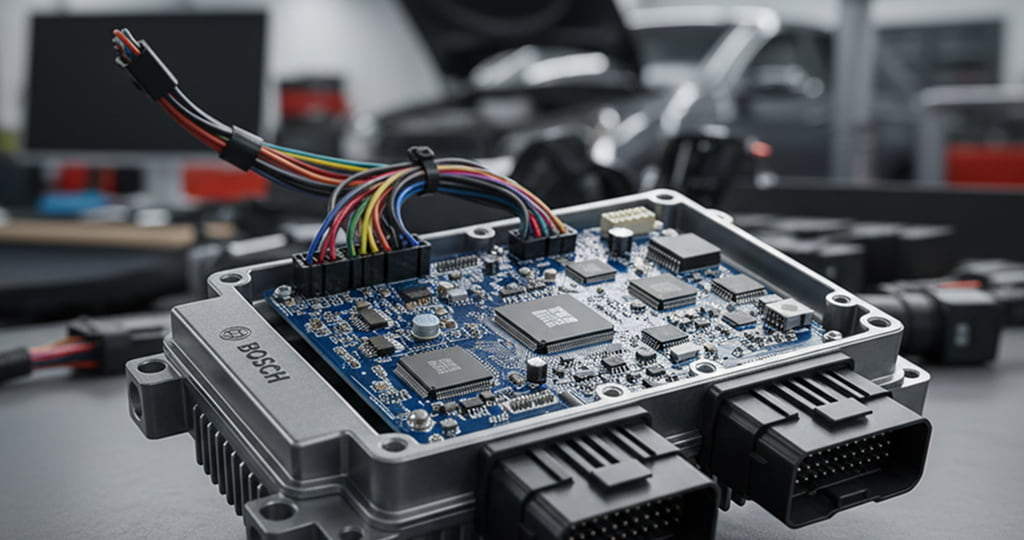
Modern engines especially need tunes to see real gains from bolt-ons. The factory ECU won’t adjust fuel and timing enough to take advantage of better flowing parts without reprogramming.
Suspension + tires + brakes
Handling modifications work best as a complete system. Great coilovers on all-season tires waste potential. Sticky tires on blown factory shocks can’t perform properly. Upgraded brakes complete the package by letting you carry more speed knowing you can slow down.
This combination transforms how cars drive more than any other modification set. The confidence from knowing your car will stick and stop completely changes the driving experience.
Lightweight wheels + gearing
Reducing unsprung and rotating weight improves every performance aspect. Lightweight wheels make acceleration, braking, and handling better simultaneously. Different gearing multiplies these effects by better matching power delivery to wheel speed.
This combo works especially well on momentum cars that benefit more from optimization than raw power. That Miata might never be truly fast, but it’ll feel quicker everywhere with this combination.
Final thoughts: Maximizing performance responsibly
Build a mod plan, don’t mod blindly
Random modifications rarely yield satisfying results. Successful builds start with clear goals and realistic budgets. Define whether you’re building a street car, track weapon, or show piece, because each path requires different modifications and compromises.
Research your platform thoroughly before purchasing anything. Some cars respond dramatically to simple modifications while others need extensive work for minimal gains.
This is where MotorMia comes in – helping you plan and document your build journey, track installed modifications, and even maintain a visual history of your project.
Balance gains with reliability
Chasing maximum power often leads to minimum reliability. That 500-horsepower build might be impressive on paper but useless if it’s constantly broken. Consider how you’ll actually use the car and modify accordingly.
Budget for supporting modifications and maintenance, not just headline parts. That turbo kit’s real cost includes upgraded cooling, stronger internals, and frequent oil changes. Factor in these hidden costs before committing to aggressive modifications.
Know your goals: daily driver vs. track car
Daily drivers need to balance performance with livability. That lumpy cam might make power but will annoy you in traffic. Rock-hard suspension that dominates at the track becomes torture on pothole-riddled streets. Choose modifications that enhance your actual driving experience, not theoretical performance.
Dedicated track cars can sacrifice comfort for speed. Stripped interiors, roll cages, and race seats make sense when lap times matter most. Just don’t fool yourself into daily driving a full track build because the compromise gets old quickly.
Test, adjust, and enjoy the results
Modifications rarely work perfectly immediately after installation. Suspension needs adjustment, tunes require refinement, and combinations might not play nicely together. Budget time and money for sorting everything out properly.
The journey matters as much as the destination in car modification. Each upgrade teaches you something about your car and your preferences. Maybe you’ll discover that handling improvements make you happier than pure power. Perhaps reliability becomes more important than performance as your build evolves.
Most importantly, get out and enjoy what you’ve built. Cars are meant to be driven, not just polished in garages. Whether you’re carving canyons, hitting track days, or just enjoying a spirited commute, use those modifications you’ve invested in. Share your experiences with the community and inspire the next generation of builders to start their own journeys.