Build Your Dream Ride with Mia

How Do I Tune My Car: Complete Beginner’s Tuning Guide

Ed Little
•
Fabricator and Car Enrhusiast @ MOTORMIACar tuning feels intimidating when you’re staring at forum posts throwing around terms like “AFR”, “boost maps,” and “dyno pulls”. The good news? Every gearhead started exactly where you are right now, wondering if they’d brick their ECU or blow their engine trying to squeeze out more power.
The truth is, modern tuning has become incredibly accessible, and you don’t need an engineering degree to wake up your ride.
Whether you’re chasing more horsepower, better fuel economy, or just want your car to feel less like an appliance and more like a machine, tuning opens doors you didn’t know existed.
What is car tuning?
Car tuning is the process of modifying a vehicle’s engine, suspension, or electronics to improve performance, efficiency, or driving experience. It can involve adjusting the ECU, upgrading parts like air intakes or exhausts, or customizing suspension settings for better handling or speed.
Think of it as optimizing your car’s potential, whether that means extracting more power, improving handling, or simply making it more enjoyable to drive.
At its core, tuning involves adjusting how various systems in your car operate. This could mean tweaking engine parameters through software, upgrading physical components, or both. Modern cars are essentially computers on wheels, and tuning lets you rewrite the conservative factory programming that prioritizes emissions and longevity over performance.
The beauty of tuning lies in its flexibility. You’re not locked into one path. Some enthusiasts chase quarter-mile times, others want their daily driver to feel more responsive, and plenty just want their exhaust to sound meaner. Your goals shape your approach, and there’s no single “right” way to tune a car.
What are the benefits of tuning my car?
Tuning your car boosts horsepower turbo engines, sharpens throttle response, and can improve fuel efficiency. It also enhances handling through suspension upgrades and lets you personalize your vehicle’s performance, sound, and style to match your driving goals and personality.
Smart tuning transforms your entire driving experience in ways that surprise first-timers. Let’s take a closer look at the 5 main benefits of tuning your car.
Increased horsepower and torque
This is what hooks most people. Factory tunes leave significant power on the table to meet emissions standards and protect engines from warranty claims. A proper tune can unlock 20% to 30% more power on turbocharged engines, sometimes even more. Naturally aspirated engines see smaller gains, but every bit counts when you’re merging onto highways or passing slower traffic.
Improved throttle response
Ever notice that delay between pressing the gas and your car actually responding? Factory throttle mapping often feels mushy to improve fuel economy. Tuning sharpens that response, making your car feel more connected and alive. The engine reacts instantly to your inputs, transforming even grocery runs into engaging drives.
Better fuel efficiency
Sounds counterintuitive, but proper tuning can actually improve fuel economy. Factory tunes run rich to protect engines across all conditions. A custom tune optimizes fuel delivery for your specific driving habits and conditions. Many enthusiasts report gaining 2 to 4 MPG after tuning, assuming they can resist the urge to constantly test their new power.
Enhanced handling and driving dynamics
Tuning isn’t just about engines. Suspension tuning dramatically improves how your car handles corners, absorbs bumps, and puts power down. Adjustable coilovers let you dial in the perfect balance between comfort and performance. Even simple upgrades like sway bars transform how your car feels through turns.
Personalized look and feel
Your car becomes truly yours through tuning. Custom exhaust notes announce your presence. Lowered stance changes the entire aesthetic. Interior modifications create the cockpit you’ve always wanted. Tuning lets you build a car that matches your personality, not some focus group’s average preferences.
Turn those benefits into reality with the right parts. MotorMia doesn’t just list modifications—we show you which combinations deliver the results you’re after. Whether you want better throttle response or serious power gains, see what worked for hundreds of owners with your exact model.
Types of car tuning
Types of car tuning include ECU tuning for engine optimization, intake and exhaust upgrades for airflow, forced induction tuning for turbo or supercharger setups, suspension tuning for handling, transmission tuning for power delivery, and cosmetic or audio mods for personalization.
Each type offers unique benefits and requires different levels of expertise and investment.
Let’s look at the six main types of car tuning.
1. ECU/ECM (Engine Control Unit) tuning
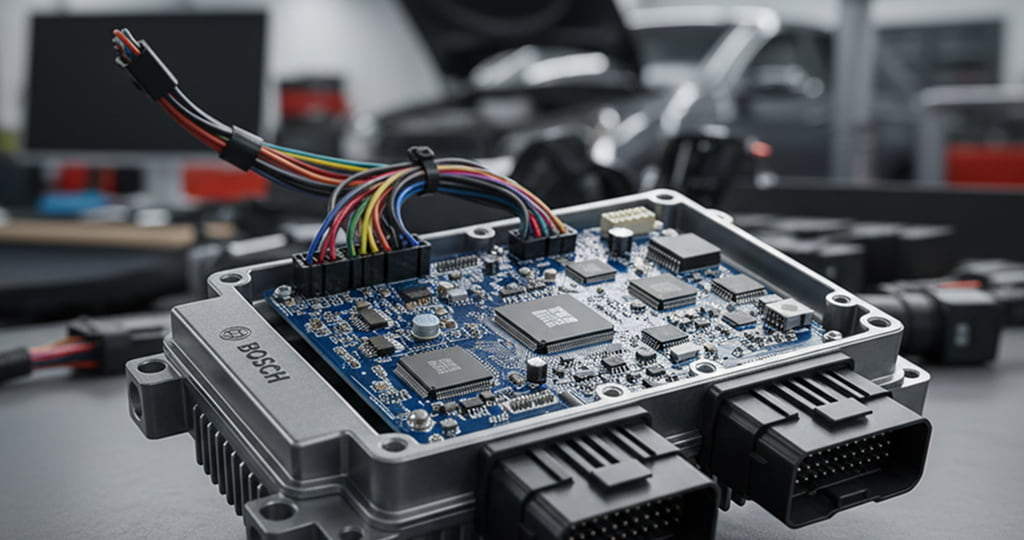
The brain of your car controls everything from fuel injection timing to boost pressure. ECU tuning modifies these parameters to optimize performance. Options range from plug-and-play modules that add a few horsepower to custom dyno tunes that completely transform how your engine performs. This is often the best bang for your buck on modern vehicles.
2. Intake and exhaust tuning
Your engine is an air pump, and helping it breathe better means more power. Cold air intakes bring cooler, denser air into the engine. Performance exhausts reduce backpressure and let spent gases escape more efficiently. Together, they not only add power but create that addictive induction noise and exhaust note enthusiasts crave.
3. Turbo and supercharger tuning
Forced induction offers massive power gains, but requires careful tuning to avoid expensive failures. This includes adjusting boost levels, upgrading intercoolers, and ensuring supporting modifications can handle increased stress. The complexity increases, but so do the rewards when you’re making double your stock horsepower.
4. Suspension tuning
Often overlooked by beginners, suspension tuning transforms how your car drives. Adjustable dampers, upgraded springs, and performance bushings work together to reduce body roll, improve grip, and maintain better tire contact. The right suspension setup makes your car feel like it’s on rails through corners.
5. Transmission and gear tuning
Manual transmissions benefit from short shifters and upgraded clutches. Automatics can be tuned for quicker shifts and optimized shift points. Some enthusiasts even change final drive ratios to improve acceleration or top speed. These modifications ensure your newfound power actually reaches the pavement effectively.
6. Cosmetic and audio tuning
Not all tuning makes you faster. Visual modifications like body kits, wheels, and wraps let you express your style. Audio upgrades transform your cabin into a concert hall. While purists might scoff, these modifications matter just as much to enthusiasts who view their cars as rolling art pieces.
What are beginner-friendly tuning upgrades?
Beginner-friendly tuning upgrades include cold air intakes, performance exhausts, high-quality tires, upgraded suspension parts, and ECU tuning modules. These mods offer noticeable gains in power, sound, handling, and throttle response without requiring major mechanical skills or tools, making them ideal for first-time car tuners.
Here are the five most common beginner-friendly tuning upgrades.
1. Cold air intake
Often known as the gateway into car tuning. Cold air intakes are relatively inexpensive, easy to install, and provide immediate gratification through improved throttle response and that satisfying intake whoosh. Most installations take under an hour with basic tools, making this perfect for building confidence.
2. Performance exhaust
Start with a cat-back system for the best balance of performance, sound, and legality. Quality systems from reputable manufacturers bolt right up to factory mounting points. You’ll gain a few horsepower, but more importantly, your car will sound like it means business.
3. High-quality tires
The best modification nobody talks about. Tires are your only contact with the road, and upgrading to performance rubber transforms acceleration, braking, and cornering. Good tires make every other modification work better, and they’re completely reversible if needed.
4. Upgraded suspension components
Start simple with upgraded sway bars or strut tower braces. These bolt-on modifications reduce body roll and improve handling without sacrificing daily comfort. As you gain experience, consider coilovers or performance shocks for more dramatic improvements.
5. ECU tuning modules
Plug-and-play tuning modules offer safe power gains without permanent modifications. Companies like Cobb and JB4 make user-friendly systems that can be installed in minutes and removed just as quickly. They’re conservative but effective, perfect for testing the tuning waters.
Is your car ready for tuning?
Before throwing parts at your car, ensure it’s healthy enough to handle modifications. Tuning a neglected vehicle is like putting racing fuel in a lawnmower, it won’t end well.
Before spending a dime on parts, see what other owners discovered about your platform’s potential. MotorMia shows you common issues to address first, realistic power goals for your engine, and which supporting mods you’ll need. Learn from their expensive mistakes before making your own.
Here’s what you need to check to see if your car is ready for tuning.
Pre-tuning health check
Start with basics like oil changes, spark plugs, and filters. Check for existing codes or mechanical issues. That mysterious knock or persistent check engine light needs addressing before adding power. Compression and leak-down tests reveal internal engine health. Clean injectors and carbon buildup ensure modifications work as intended.
Compatible vehicles and systems
Not all cars respond equally to tuning. Turbocharged engines typically see bigger gains than naturally aspirated ones. Newer vehicles with sophisticated electronics might need specialized tools. Some platforms have massive aftermarket support while others require custom solutions. Research your specific model’s tuning potential before diving in.
Setting realistic goals
Be honest about your needs and budget. A 500-horsepower daily driver sounds cool until you’re replacing clutches monthly and getting single-digit fuel economy. Consider how you actually use your car. Track warriors need different setups than street cruisers. Set achievable milestones rather than chasing internet horsepower numbers.
How do I choose the right tuning method for my specific vehicle
Every platform has its sweet spots and limitations. A tune that works brilliantly on one car might be terrible for another. Understanding your vehicle’s characteristics guides smart modification choices.
Choose the right tuning method by considering your vehicle’s engine type, age, drivetrain, and goals. Turbocharged engines benefit most from ECU tuning, while older cars may need intake, exhaust, or suspension upgrades. Match your budget, skill level, and driving style to the tuning category that delivers the best return.
This is where MotorMia becomes invaluable. Instead of scrolling through endless forum threads, MotorMia’s AI analyzes thousands of successful builds for your specific vehicle. You’ll see what modifications work well together, what order to install them, and realistic performance expectations. It’s like having an experienced tuner guiding your build decisions.
Other considerations include local climate and fuel quality too. High-altitude locations need different tuning than sea level. Hot climates stress cooling systems more. Premium fuel availability affects how aggressive you can tune. These factors shape which modifications make sense for your situation.
Getting started: tools And equipment
Proper tools make tuning safer and more enjoyable. You don’t need a professional shop, but some investments pay dividends in saved time and avoided mistakes.
Essential hardware
Start with quality hand tools and a reliable jack and stands. A good OBD2 scanner reads codes and monitors engine parameters. Torque wrenches prevent over-tightening critical components. As you advance, consider investing in specialized tools for your platform like spring compressors or timing tools.
Software options
Modern tuning relies heavily on software. Basic code readers evolved into sophisticated tuning suites. Popular options like HP Tuners, EFI Live, and Cobb AccessPort offer different features and platform support. Research which software works best for your specific vehicle before purchasing.
Budget considerations
Tuning costs add up quickly. Set aside 20% to 30% of your modification budget for unexpected expenses. Quality parts cost more upfront but save money long-term through reliability. Factor in supporting modifications, because that cold air intake might require a tune to work properly. Remember installation costs if you’re not doing the work yourself.
Professional tuning services
Knowing when to call in experts separates successful builds from expensive mistakes. Professional tuners bring experience and equipment most enthusiasts can’t match.
When to get professional help
Anything involving internal engine work, complex wiring, or safety systems deserves professional attention. Custom dyno tuning extracts maximum performance while maintaining reliability. Professionals spot issues you might miss and have insurance if something goes wrong. Their experience prevents costly mistakes.
What to expect
Professional tuning starts with baseline dyno runs to establish current performance. They’ll inspect your modifications and overall vehicle health. The actual tuning process involves multiple pulls with adjustments between runs. Good tuners explain what they’re doing and provide detailed results. Expect to spend several hours at the shop for proper tuning.
Cost vs. value analysis
Professional tuning typically costs $400 to $800 for basic setups, more for complex builds. This seems expensive until you price the engine rebuilds. Good tuning maximizes your modifications’ potential while maintaining reliability. The peace of mind alone justifies the cost for many enthusiasts. Consider it insurance for your investment.
Conclusion
Tuning your car opens a world of possibilities, transforming mundane transportation into something that genuinely excites you. Starting this journey feels overwhelming, but remember that every expert tuner began as a beginner asking the same questions you’re asking now.
Success comes from research, patience, and quality over quantity. Start with proven modifications for your platform. invest in supporting modifications, and always prioritize reliability over peak numbers. Your perfectly tuned car does you no good sitting broken in the garage.
The tuning community thrives on shared knowledge and experiences. Join forums, attend meets, and learn from others’ successes and failures.
When you’re ready to take the next step, MotorMia puts the collective knowledge of over 500,000 enthusiasts at your fingertips. Our AI-powered platform shows you exactly which modifications work for your specific vehicle, complete with real performance data, installation guides, and community reviews. See what parts deliver results, which combinations to avoid, and connect with owners who’ve successfully built what you’re dreaming about.
Remember, tuning is a journey, not a destination. Your goals will evolve as your skills and understanding grow. Embrace the process, celebrate small victories, and enjoy the unique machine you’re creating. Welcome to the addiction.
FAQ
How much does it cost to get a car tuned?
Car tuning costs range from $300 to $1,500 depending on the method. Basic ECU flash tunes start around $300, while custom dyno tuning can exceed $1,000. Costs increase with supporting modifications like intakes or forced induction upgrades.
Why isn’t my car tuned for performance from the factory?
Cars aren’t tuned for max performance from the factory to meet emissions, fuel economy, and reliability standards. Manufacturers prioritize warranty protection and global compliance over peak power, leaving tuning potential for enthusiasts.
Is tuning safe for my car?
Tuning is safe when done correctly with quality parts and professional calibration. Poor or aggressive tunes can harm your engine, especially without supporting upgrades. Choose reputable tuners and ensure your vehicle is mechanically sound before tuning. The key is matching modifications to your goals and maintaining everything properly.
Will tuning void my warranty?
Tuning may void parts of your warranty if the dealer proves it caused damage. Under U.S. law, they must show the tune directly affected a failed component. Some manufacturers are stricter, so check your warranty terms before tuning.
Do I need to tune my car after every modification?
You only need to tune your car after modifications that affect air, fuel, or ignition systems. Changes like intakes, exhausts, turbo upgrades, or injectors often require tuning to maintain safe performance. Cosmetic or suspension mods usually don’t.
Are there legal restrictions on car tuning?
Yes, car tuning faces legal restrictions, especially related to emissions compliance. States like California require CARB-certified parts for street use. Removing catalytic converters or altering ECU emissions controls can result in fines or inspection failures.