Build Your Dream Ride with Mia
The Most Common Car Modding Mistakes

Ed Little
•
Fabricator and Car Enrhusiast @ MOTORMIAEvery enthusiast remembers their first mod. We’ve all been there, wallet lighter and ego bruised, wondering where we went wrong.
Car modification attracts us because we want to make our rides uniquely ours. But enthusiasm without experience leads to expensive mistakes that kill both performance and resale value.
The most common car modding mistakes include ignoring factory settings, skipping suspension and brake upgrades, choosing poor-quality parts, and neglecting legal or insurance issues. Other major mistakes involve poor installation, failing to plan a full build strategy, and overlooking routine maintenance, all of which can compromise performance and safety.
The difference between a well-executed build and a rolling disaster often comes down to avoiding these 7 common pitfalls that catch both newcomers and seasoned builders.
1. Ignoring your car’s baseline setup
Too many enthusiasts start bolting on parts without understanding what they’re working with. Your car left the factory with specific alignment settings, suspension geometry, and engine parameters. Modifying without knowing these baselines is like painting without priming first.
That aggressive wheel setup might look incredible, but if you don’t know your stock offset and suspension travel, you’re gambling with rubbing, poor handling, and accelerated wear. Same goes for engine modifications. Adding boost to an engine without knowing compression ratios, fuel system capacity, or cooling limitations turns horsepower dreams into connecting rod nightmares.
Smart builders establish baselines first. Get your car aligned and note the settings. Dyno your stock setup. Document everything. MotorMia’s AI can analyze your specific model and show factory specifications alongside popular modification paths, helping you understand exactly what you’re changing and why it matters.
2. Overlooking legal and insurance implications
That straight-piped exhaust sounds mean until you’re getting pulled over for the third time this month. Legal requirements vary wildly by location, and what flies in one state gets you impounded in another. Emissions, noise levels, ride height, lighting, even wheel coverage all face regulations that enthusiasts often discover the hard way.
Insurance complications multiply the headaches. Many modifications void coverage or require special policies. That supercharger kit doesn’t just risk your engine warranty; it might leave you completely uncovered after an accident. Telling your insurance company after a claim is too late.
Research your local laws before modifying, not after. Check state inspection requirements, emissions testing rules, and equipment regulations. Call your insurance company before installing major modifications. Yes, premiums might increase, but that beats having claims denied when you need coverage most.
3. Skipping suspension and brakes when adding power
Power sells parts. Handling and braking sell safety, but they’re not as exciting as bigger turbos and aggressive tunes. This thinking creates dangerous imbalances where cars make serious power but can’t turn or stop effectively.
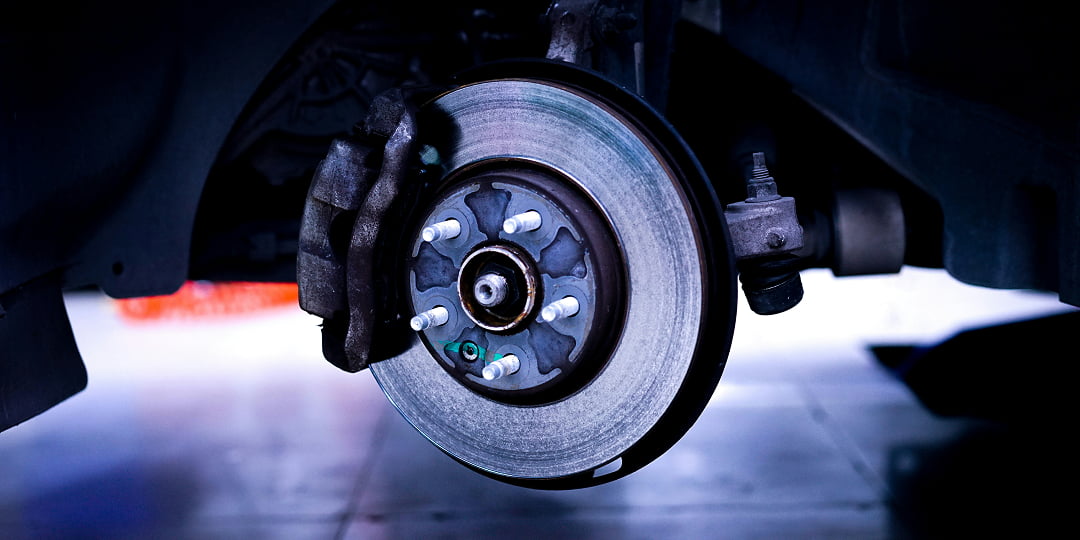
Stock brakes designed for 200 horsepower won’t handle 400 horsepower reliably. Factory suspension tuned for comfort collapses under hard acceleration from forced induction. The results range from scary to catastrophic, especially when you need that stopping power most.
Building balanced means upgrading supporting systems alongside power additions. Better brake pads, larger rotors, improved cooling, and suspension components that handle increased forces. These aren’t sexy modifications, but they keep your build safe and enjoyable rather than terrifying.
4. Choosing the wrong parts or brands
The aftermarket parts world includes everything from precision-engineered components to absolute garbage. Price alone doesn’t determine quality, but buying purely on price usually ends badly. That $200 coilover set might technically lower your car, but the ride quality, handling, and longevity will make you regret saving a few hundred dollars.
Brand reputation exists for reasons. Established companies invest in research, testing, and customer support. Their parts fit properly, perform as advertised, and last. No-name brands might offer similar-looking products for less, but poor materials, questionable engineering, and zero support make them expensive mistakes.
Before buying, research beyond price comparisons. Read reviews from actual users, not just product descriptions. Check forums for long-term experiences.
5. Poor installation practices
Quality parts become expensive paperweights when installed incorrectly. Over-torquing crushes gaskets and cracks components. Under-torquing leads to leaks and failures. Wrong fluids destroy transmissions. Contamination during installation ruins engines. These aren’t just rookie mistakes; experienced builders fall into these traps too.
Cutting corners during installation always costs more than doing it right initially. Reusing gaskets saves five dollars until coolant mixes with oil. Skipping proper break-in procedures feels efficient until bearings fail prematurely. That “good enough” wiring job works great until it doesn’t, taking expensive components with it.
If you’re not confident in your abilities, paying for professional installation protects your investment. Good shops have proper tools, experience, and insurance if something goes wrong. DIY builds feel rewarding, but know your limits. YouTube University doesn’t replace actual experience when mistakes cost thousands.
6. Not planning a long-term build strategy
Random modifications without direction create expensive messes. Buying parts impulsively because they’re on sale or look cool leads to compatibility nightmares and wasted money. That intake might be perfect, but not if you’re planning forced induction later. Those wheels look amazing until you realize they won’t clear the big brake kit you want next year.
Successful builds follow plans. Not rigid blueprints, but thoughtful strategies considering end goals, budgets, and realistic timelines. Planning prevents buying parts twice, ensures compatibility, and spreads costs manageable over time. It also keeps you from chasing trends that don’t align with your actual goals.
Start with your end vision. Track car? Show build? Reliable daily with more punch? Each path requires different priorities and parts.
MotorMia’s AI-powered build planner lets you map out modifications visually, showing how different parts work together and flagging potential compatibility issues before you buy.
7. Neglecting routine maintenance during builds
Modification excitement often overshadows basic maintenance. Why change oil when you could buy new wheels? Who needs brake fluid flushes when that money could go toward coilovers? This thinking destroys more builds than any modification mistake.
Modified cars need more maintenance, not less. Increased power stresses fluids faster. Suspension modifications wear components differently. Performance brake pads eat rotors quicker. Ignoring these realities while focusing on modifications creates time bombs that eventually explode expensively.
Maintenance isn’t sexy, but neither is rebuilding an engine because you couldn’t be bothered with oil changes. Budget for maintenance alongside modifications. Track service intervals religiously. Modified cars reward attention with reliability and punish neglect with catastrophic failures.
How to avoid these mistakes
Use planning Tools
Smart builders leverage technology to avoid expensive mistakes. Modern planning tools go beyond simple wish lists, offering sophisticated compatibility checking and build sequencing that prevents common errors.
MotorMia’s build planner helps sequence mods to avoid compatibility issues that waste money and time. Input your car and goals, then see recommended modification paths based on thousands of successful builds. The visual timeline shows how upgrades flow together, which parts complement each other, and what order makes most sense for your goals and budget.
Mia suggests recommended parts proven to work on your specific vehicle using real data from real builds takes the gambling out of part selection.
Learn from others
The car scene thrives on shared knowledge, and smart builders tap into this collective experience before making expensive decisions. Every mistake you might make, someone else already has. Their pain becomes your gain if you’re willing to listen.
Forums remain goldmines of platform-specific knowledge. Yes, you’ll wade through opinions and arguments, but buried within are years of real-world experience. Search before asking, contribute what you learn, and respect the knowledge shared freely. Discord servers offer real-time advice and quick answers. Find servers specific to your platform or modification style for targeted help.
Reddit’s car communities provide brutal honesty about builds and parts. Post your plans and prepare for feedback that might sting but saves money. Real-world advice beats marketing every time. Build reviews from people who’ve lived with modifications long-term reveal what works beyond the honeymoon period.
Follow a balanced upgrade path
Successful builds maintain balance across all systems. Power without handling creates scary cars. All show without mechanical reliability creates trailer queens. The best builds improve everything proportionally, creating cars that perform well in all conditions.
Start with reliability modifications. Better cooling, improved breathing, quality fluids, and proper maintenance create solid foundations for future power. These unsexy modifications prevent bigger problems later. Next, address safety through better brakes and tires. These components work harder on modified cars and need upgrading before adding significant power.
Only after establishing solid foundations should you chase power. By then, your car can handle increases safely and reliably. This approach costs more initially but saves money long-term by preventing failures and rebuilds. Balance might not generate Instagram likes as quickly as extreme builds, but it creates cars you can actually enjoy driving hard without fear.
Final thoughts
Modifying cars remains one of the most rewarding aspects of automotive enthusiasm. Taking a factory vehicle and making it yours through careful improvements creates connections between driver and machine that buying alone never achieves. But success requires avoiding mistakes that turn dream builds into nightmares.
The biggest mistake enthusiasts make is rushing. Excitement overwhelms planning, leading to poor decisions that cost money and compromise results. Take time to research, plan, and execute properly. Your future self will thank you when you’re enjoying your well-sorted build instead of fixing problems created by impatience.
Every experienced builder has stories of mistakes and lessons learned expensively. The smart ones share these experiences to help others avoid similar problems. Listen to their wisdom, use available tools and technology, and approach modifications thoughtfully. The goal isn’t perfection but progress, building something better while avoiding pitfalls that derail builds and budgets.
Your car is a canvas for creativity and engineering. Treat it with respect through proper planning and execution. The result will be a build that performs as good as it looks and brings joy every time you turn the key. That’s what makes all the effort worthwhile.