Build Your Dream Ride with Mia

Will Aftermarket Parts Void Warranty?

Ed Little
•
Fabricator and Car Enrhusiast @ MOTORMIAAftermarket parts do not automatically void a car’s warranty. A warranty can only be voided if the aftermarket part causes damage to the vehicle. In the US, under the Magnuson-Moss Warranty Act, manufacturers must prove the part caused the problem before denying coverage.
The truth that dealerships won’t tell you straight up: aftermarket parts don’t automatically void your warranty. Despite what that service advisor might imply when you roll in with those slick new rims, federal law actually protects your right to modify your vehicle.
The key? Understanding exactly where the boundaries lie and how to stay on the right side of them while still building the ride you want.
And if you’re serious about modding smart, MotorMia’s AI analyze thousands of builds to show you exactly which parts work on your specific vehicle without warranty headaches. Mia pulls from real installation data to recommend modifications and suppliers that fit your goals and budget.
Understanding vehicle warranties
Your vehicle warranty isn’t just one blanket coverage, it’s actually a collection of different protections that cover various components for different lengths of time. Most new cars roll off the lot with what manufacturers call a “bumper-to-bumper” warranty, though that name’s misleading since plenty of parts between those bumpers aren’t covered.
The basic warranty typically runs 3 years or 36,000 miles, whichever hits first. This covers most components against defects in materials or workmanship, including faulty window regulators, wonky infotainment systems, or that annoying rattle coming from somewhere in the dashboard. Then you’ve got your powertrain warranty, which usually extends longer at 5 years or 60,000 miles, covering the expensive bits like your engine, transmission and drivetrain components.
The game-changer for modified car owners? The Magnuson-Moss Warranty Act, a federal law from 1975 that essentially says manufacturers can’t void your warranty just because you used aftermarket or recycled parts. They need to prove that your modification actually caused the failure they’re refusing to cover.
Factory vs Extended Warranties
Factory warranties come straight from the manufacturer and are included in your purchase price. They’re legally binding contracts that the automaker must honor at any authorized dealer nationwide. These warranties transfer with the vehicle if you sell it, which helps resale value.
Extended warranties are really service contracts, often sold by third parties or dealer finance offices. They kick in after your factory coverage expires and can vary wildly in what they’ll actually cover. Some are decent, others are basically expensive paper.
Factory warranties tend to be more modification-friendly, oddly enough. Since manufacturers must follow federal law, they can’t blanket-deny claims for modified vehicles. Extended warranty companies write their own rules and often include specific exclusions for any vehicle modifications.
Does installing aftermarket parts automatically void your warranty?
Short answer: no. The law’s on your side more than dealers want you to believe.
As previously mentioned, the Magnuson-Moss Act explicitly states that manufacturers cannot void your warranty simply because you installed aftermarket parts. Whether you bolted on some Brembo brakes, swapped in a K&N air filter, or went full send with a supercharger kit, the mere presence of these parts doesn’t give dealers the right to tear up your warranty coverage.
Dealerships love to play the intimidation game here. You roll in with aftermarket wheels and suddenly they’re talking about “modified vehicles” and “warranty concerns.” What they’re banking on is you not knowing your rights. They must prove that your specific modification caused the specific failure they’re being asked to fix under warranty.
Let’s say you installed a cat-back exhaust system and two months later your power window motor dies. Can they deny that window repair because of your exhaust? Absolutely not. There’s zero connection between those components. Now, if you installed a poorly-tuned cold air intake and your engine runs lean and melts a piston? Yeah, that’s on you.
When aftermarket parts can affect your warranty?
While the law protects your right to modify, certain modifications can absolutely impact your warranty coverage. Understanding these boundaries keeps you from expensive surprises.
The critical factor isn’t whether you modified your car, it’s whether that modification caused the failure in question. Dealers need to establish causation, not just correlation.
Performance modifications that cause damage
Some mods are warranty poison, plain and simple. That eBay turbo kit might seem like a bargain until it grenades your engine and leaves you with a five-figure repair bill.
Forced induction on naturally aspirated engines tops the danger list. Slapping a turbo or supercharger on an engine that wasn’t designed for boost puts massive stress on internals. ECU tuning creates similar risks. Modern engines run complex strategies for fuel, timing, and boost. Amateur tunes or aggressive maps can cause detonation, wash down cylinder walls with excess fuel, or run lean enough to melt pistons.
Improper installation issues
Even quality parts become warranty liabilities when installed incorrectly. This is where many enthusiasts accidentally screw themselves through botched installation, not through the choice of parts.
Over-torqued or under-torqued fasteners cause countless warranty disputes. That aftermarket intake might be perfectly legal, but if you crack the manifold by ham-fisting the bolts, that’s on you. Wiring modifications gone wrong create particularly expensive problems. Modern cars run on computer networks, and amateur electrical work can fry modules that cost thousands to replace.
Non-compliant or illegal parts
Parts that violate federal or state regulations don’t just risk warranty coverage, they can result in fines, failed inspections, and legal liability.
Emissions equipment tops this list. Deleting catalytic converters, EGR systems, or diesel particulate filters might free up power, but it also violates federal law. Non-DOT approved lighting creates another minefield. Those ultra-bright LED conversions might help you see, but if they’re not properly certified and aimed, they’re illegal in most states.
Safe aftermarket modifications
Plenty of aftermarket upgrades can improve your driving experience without putting coverage at risk. Smart enthusiasts know that starting with bolt-on modifications that don’t change engine parameters or suspension geometry keeps you in safe territory.
If you’re planning multiple modifications, MotorMia’s AI can help you build a modification roadmap that other owners have successfully implemented without warranty issues. See which combinations work well together and learn from the community’s collective experience before you start wrenching.
Maintenance items (filters, fluids, brake pads)
These are your warranty safe zones. Manufacturers cannot require you to use only their branded maintenance items, that would violate antitrust laws. Air filters represent the easiest win. Whether you choose a basic replacement or a high-flow washable unit, dealers cannot deny warranty claims based on filter choice alone.
Oil gets interesting. You don’t need to use dealer oil, but you do need to meet specifications. Brake components offer surprising freedom. Upgraded pads and rotors that maintain proper dimensions rarely cause warranty concerns.
EPA-certified performance parts
Want real performance gains without warranty anxiety? EPA-certified parts are your answer. Cold air intakes with EPA certification lead the pack. Companies like K&N, aFe, and AEM put their systems through rigorous testing to prove they maintain proper air/fuel ratios. These certifications cost manufacturers serious money, but they protect you from warranty denials.
Cosmetic enhancements
Visual modifications rarely threaten warranty coverage because they don’t affect vehicle operation. Wheels and tires lead cosmetic upgrades, and for good reason. As long as you maintain proper load ratings and don’t drastically alter suspension geometry, aftermarket wheels pose minimal warranty risk. Interior upgrades offer endless possibility with zero warranty risk. Seats, steering wheels, shift knobs, pedals, go wild.
High-risk modifications to consider
Some modifications scream “warranty void” louder than others. These changes fundamentally alter how major systems operate, making it easy for manufacturers to establish causation when things go wrong.
Before diving into high-risk territory, check MotorMia to see specific modifications for your ride. Real user data beats forum speculation every time.
ECU tuning and software changes
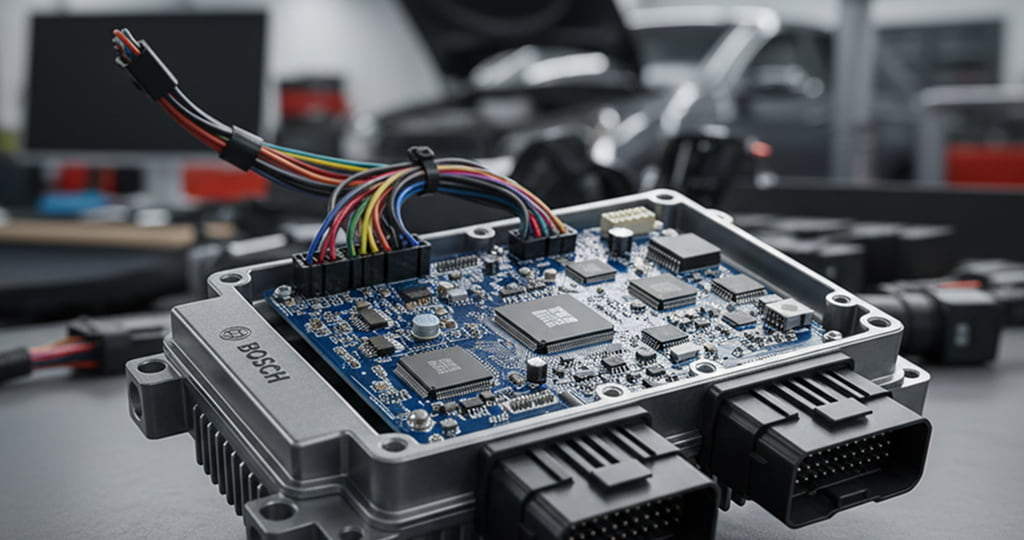
Engine control unit modifications represent the highest warranty risk short of forced induction. Even “mild” tunes that only adjust throttle mapping leave digital fingerprints. Dealers can detect reflashed ECUs, and many manufacturers now flag vehicles with modified software in their databases.
Forced induction systems
Turbocharging or supercharging a naturally aspirated engine might be the ultimate warranty killer. You’re fundamentally changing how the engine breathes, operates, and manages heat while significantly increasing power output. Double the power often means quadruple the stress on internal components.
Major suspension alterations
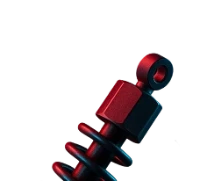
Extreme suspension modifications stress components far beyond design intentions. Air suspension on vehicles not designed for it showcases these risks. The constant cycling of air bags and stress on mounting points not engineered for those loads creates multiple failure paths.
Conclusion
The relationship between aftermarket parts and warranties isn’t the black-and-white scenario dealers often paint. Federal law protects your right to modify, but with that freedom comes responsibility for understanding which modifications carry risk.
Smart modification starts with education. Know what the Magnuson-Moss Act actually protects. Choose your modifications based on your risk tolerance and budget. If you’re financing a new car and can’t afford major repairs, stick to EPA-certified bolt-ons and cosmetic enhancements.
Quality installation matters as much as quality parts. Whether you’re turning wrenches yourself or paying a shop, proper installation protects both your vehicle and your coverage. Document everything, including receipts, specifications, and installation photos.
If you’re ready to start modifying, MotorMia’s AI can recommend the right parts for your ride. Here’s what forums won’t tell you: half the “proven” mods don’t actually work together. MotorMia cuts through the noise so you see what combinations actually deliver, which parts are worth the premium, and why some popular mods destroy reliability.
Your warranty protects against manufacturing defects, not modification experiments. Respect that distinction, modify within your means, and enjoy the build process. The road to a properly modified vehicle doesn’t require choosing between personalization and protection. It requires knowledge, planning, and quality execution.
FAQ
Do aftermarket parts always void my warranty if installed myself?
Installing aftermarket parts yourself does not automatically void your warranty. The warranty is only affected if the part or installation causes damage. Under U.S. law, manufacturers must show the aftermarket part caused the issue before denying warranty coverage.
What types of modifications are least likely to void my warranty?
Modifications least likely to void your warranty include cosmetic changes like window tint, vinyl wraps, and aftermarket wheels. Upgrades such as cat-back exhausts, air filters, and stereo systems also rarely void coverage unless they directly cause damage to warranty-covered parts.
Can installing OEM parts aftermarket affect my warranty status?
Installing OEM parts aftermarket does not affect your warranty status unless the part is defective or improperly installed. OEM parts meet manufacturer specifications, so they are generally accepted under warranty unless they directly cause damage to covered components.
Can I use aftermarket oil and filters without warranty issues?
You can use aftermarket oil and filters without warranty issues if they meet the manufacturer’s specifications. Under U.S. law, the warranty remains valid unless the aftermarket product causes damage. Always retain receipts and ensure the parts match OEM performance standards.
Do performance chips void warranty?
Performance chips can void your warranty if they cause damage to the engine, transmission, or other systems. Manufacturers must prove the chip caused the issue. If no damage occurs, your warranty remains intact under the Magnuson-Moss Warranty Act.
What if my dealer says any modification voids warranty?
They’re wrong, and federal law backs you up. The Magnuson-Moss Act explicitly prohibits blanket warranty voids for aftermarket parts. Request written documentation of why they’re denying coverage, including their proof of causation.
Does removing modifications restore warranty coverage?
Not necessarily. Once a modification causes damage, removing it doesn’t undo that damage. For modifications that haven’t caused damage, removal can help avoid future issues, but modern vehicles often record evidence of modifications even after removal.